Aracena
4 de December de 2024
Northern Municipalities of Gran Canaria
4 de December de 2024
Serrada
Valladolid
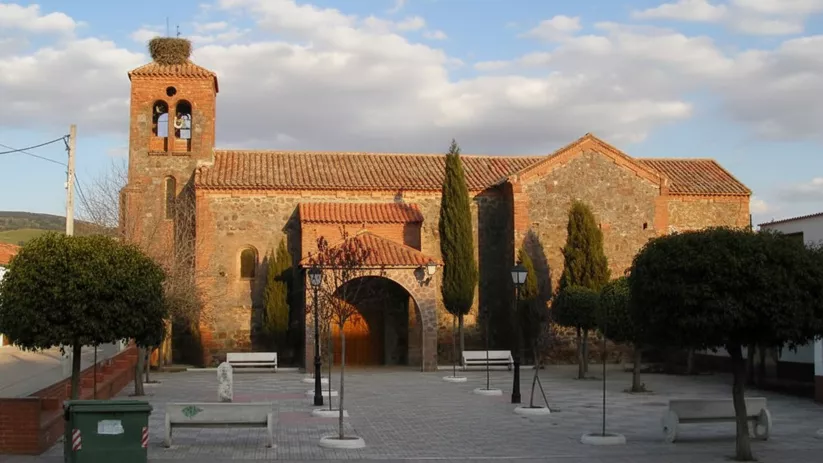
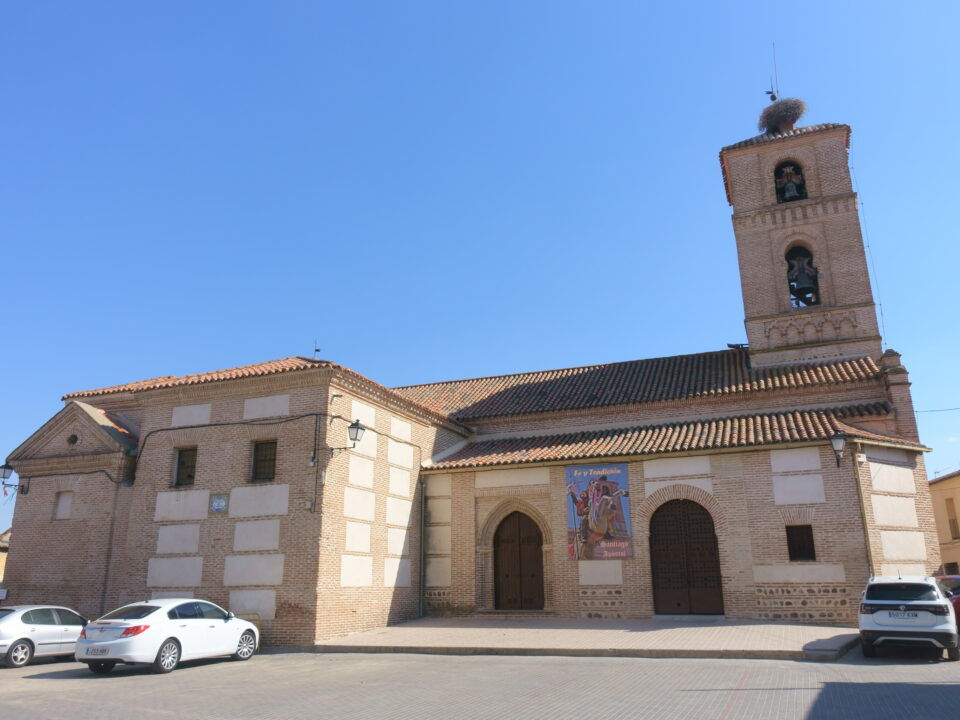
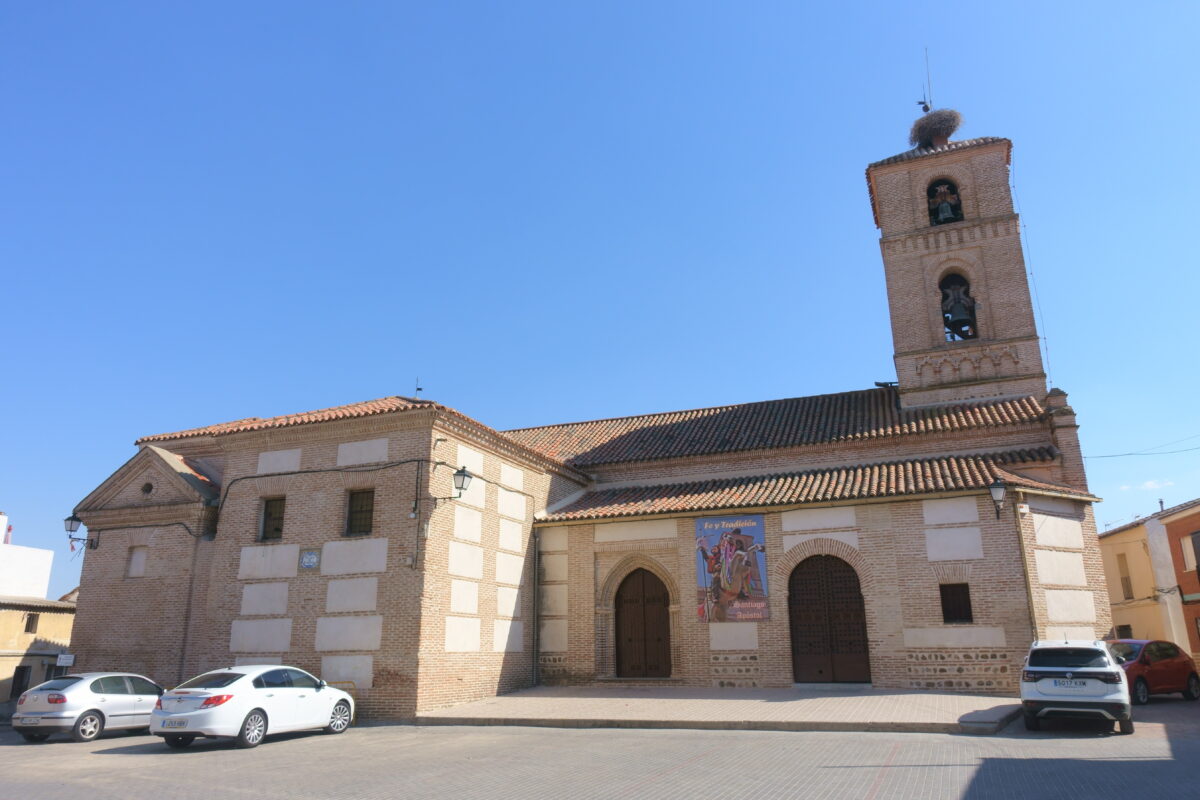
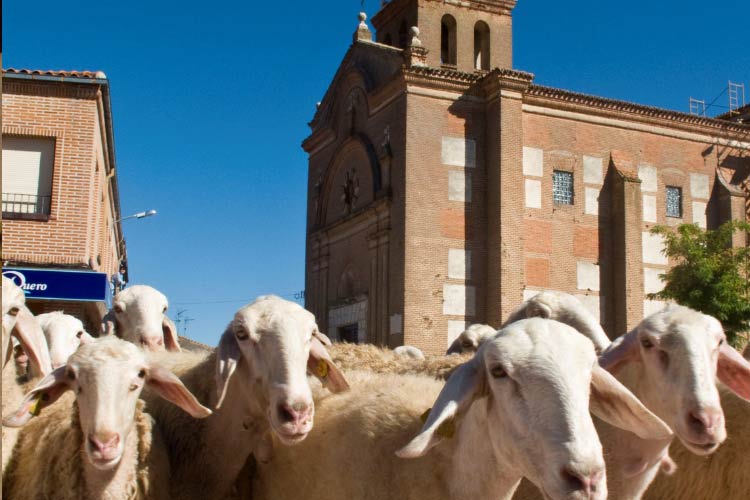
Located at a crossroads between four roads: Valladolid, Medina del Campo, Tordesillas and Olmedo, Serrada has a privileged enclave in the heart of Castilla and limited to the Rueda Designation of Origin. They form the landscape, soft extensions of vineyards identified with their surroundings.
The municipality

The first data we have about Serrada dates back to Visigothic times, according to some excavations carried out in which various objects corresponding to the first years of Visigothic occupation of the Peninsula appeared and it is in the Middle Ages when we begin to have news of the current town. .
In the year 1697, Charles II granted the Privilege of Villa to Serrada, which is why the milestones in the evolution are not given by notable events in the chronicles of the kingdom, but by facts as concrete, alive and attached to the soil as the expansion of the vineyard. in the term. Serrada is art: in recent years dozens of artists from all over the world have been placing their sculptures and paintings on the streets and walls of the municipality. Serrada is an Open Air Museum, a place where old forms on the continent coexist with new forms in the contents, a space open to creative freedom: freedom for the artist and, above all, freedom for the observer.
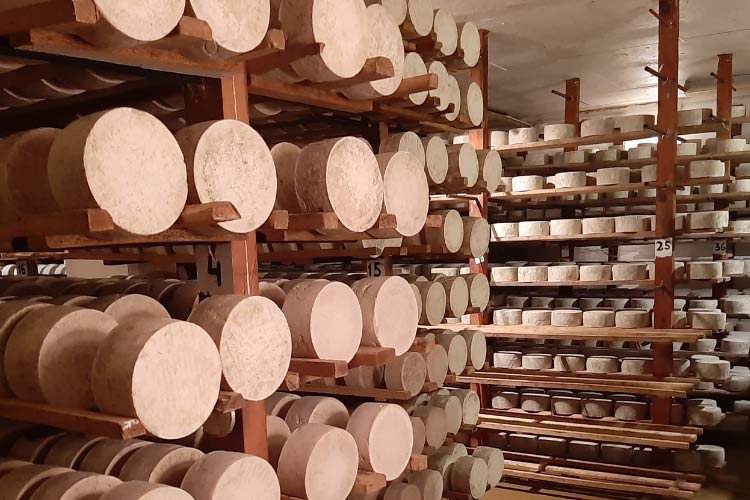
Gastronomy takes on a leading role if we talk about cheese, which, together with wine, is the driving force of the municipality. In the magnificent cheese factories you can taste, enjoy and learn everything about the different types of artisanal sheep’s cheeses, the semi-cured, old and aged reserve Castilian cheeses, the purity of the Castilian sheep’s milk made into cheese, smoked signature cheeses and rind. washed, great winners in each tasting for their great differentiation and flavor.
The cheese
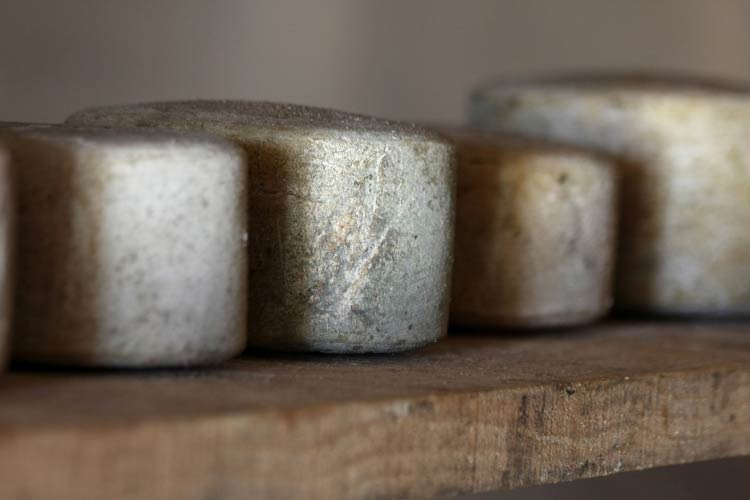
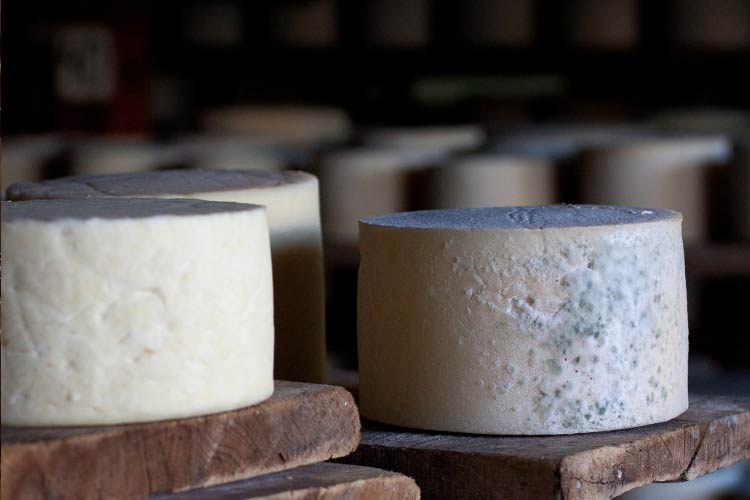
Castellano PGI (Protected Geographical Indication) cheese is the cheese that has traditionally been made on the northern plateau of Spain, where more than half of the sheep in our country graze. Cylindrical in shape and usually weighing over three kilos, it can be made from raw or pasteurized sheep’s milk, tender, semi-cured, cured or aged depending on its curing and artisanal or not according to its preparation; The most experienced raw milk artisans are the most acclaimed and recognized for their great personality, such as those made in Serrada.
Along with the traditional Castellano PGI cheese, other cheeses are made with sheep’s milk that have achieved great quality and recognition, thus offering a much more enriching variety. They are smoked, truffled, soft cheeses, vegetable rennet cheeses…made in an artisanal way with raw milk.
In Serrada they are also betting on tuning. Cheese refining is the set of conditions and work carried out on the cheese from its production to its sale, seeking maximum expression and the best flavors thanks to the development of molds. In this way, century-old wineries are being recovered for the refining of cheeses, thus rescuing heritage and history.
The European Cheese Fair of Serrada will be on June 1 and 2.
CHEESE FACTORIES
Quesos Félix
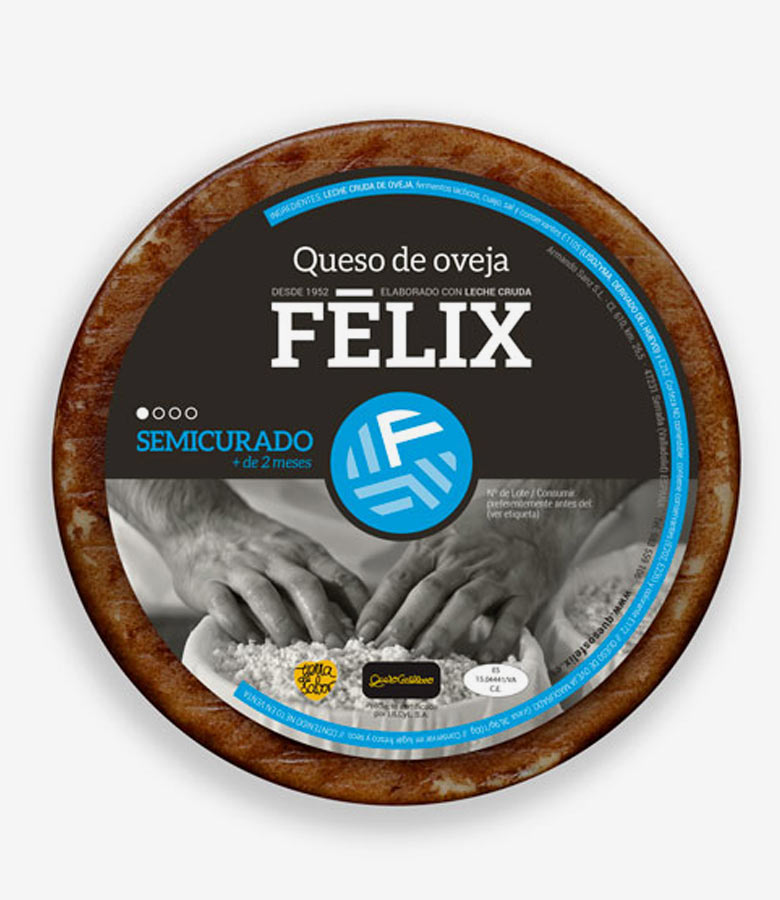

En 1944 abuelo Félix Sanz Martín comienza a comprar quesos a los ganaderos de la zona en el mercado de Tordesillas para comercializarlos en Barcelona. En 1952 Armando Sanz, hijo de Félix, se forma como Maestro Quesero y empieza a elaborar un queso propio y homogéneo, etiquetándolo con el nombre de su padre “QUESOS FÉLIX“. Actualmente, esta empresa familiar sigue creciendo y consolidándose en el sector, consiguiendo que su excelente queso de oveja goce de un reconocido prestigio a nivel nacional.
Quesería Campoveja

Campoveja is different from others, it is the result of our personalities, our circumstances and our lives. In our case, we draw on our origins, which are what we are thanks to our grandfather, our father... to what they taught us. We maintain certain traditions that make our cheese very special, such as maturing on a wooden board, the evolution of the camemberti and roqueforti moulds on its rind or ageing in an underground cellar with unbeatable humidity and temperature conditions. But it is no less true that we develop our own “R&D P”, personal research and development.