
Almudévar
8 de April de 2026
Lorca
8 de June de 2026
El Carpio de Tajo
Castilla la Mancha
On the banks of the Tagus River, this peaceful town combines rural landscapes with a rich historical heritage. Among its main attractions are the parish church of San Miguel Arcángel, a testament to its past, and the charm of its streets and traditional buildings that preserve the character of La Mancha.
The municipality

El Carpio de Tajo holds a special appeal for those who appreciate destinations with their own unique character and unspoiled atmosphere. A stroll through its town center reveals corners where time seems to stand still, with tranquil squares and buildings that reflect the area's traditional architecture. The proximity of the Tagus River adds a singular scenic value, offering natural spaces for birdwatching, enjoying the riverside vegetation, or simply relaxing in a serene setting. The town also serves as an ideal starting point for exploring the cultural and natural richness of the province of Toledo. Its location allows visitors to combine a visit with excursions to other nearby villages or a trip to the historic city of Toledo, a UNESCO World Heritage Site. Furthermore, the local cuisine, based on traditional products from Castilla-La Mancha, offers visitors the opportunity to savor authentic dishes in a friendly and welcoming atmosphere.

The cheese
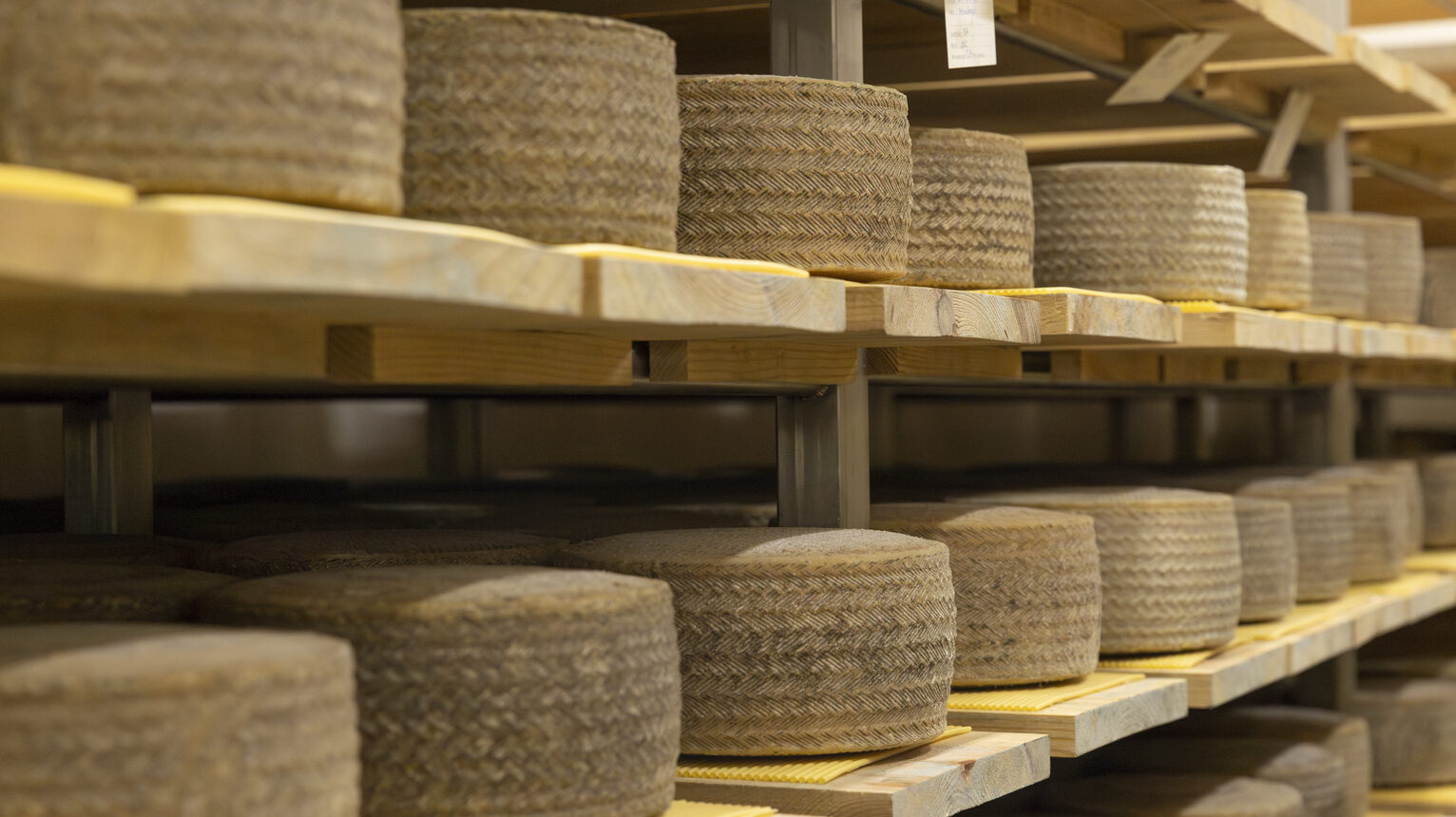
Manchego cheese is one of the most emblematic products of Spanish gastronomy, made exclusively in the Castile-La Mancha region with milk from Manchega sheep. Its origins date back centuries to pastoral tradition, and today it boasts a Protected Designation of Origin (PDO), guaranteeing its quality and authenticity. It is available in various stages of aging—from semi-cured to aged—offering a wide range of nuances, from mild and slightly acidic flavors to more intense and persistent notes. Its production process follows traditional techniques passed down through generations. After milking, the milk coagulates, is molded in characteristic molds that give the rind its distinctive pattern, and undergoes a maturation period that can vary from a few weeks to more than a year. This aging process is key to developing its firm and compact texture, as well as its unmistakable flavor, with slightly salty notes and a nutty undertone.